
Inclusive Engineering & Global Pedagogy
Bridging Technical Rigor with Socially Engaged Design
Key Insight: Often missing from diversifying engineering education is consideration of the resources inherent within students, their families, and communities."
Framework Applied: My design methodology moves away from simple build-and-test problems toward authentic engineering challenges that invite diverse cultural perspectives.
Inclusive Engineering & Global Pedagogy
Bridging Technical Rigor with Socially Engaged Design
As an instructional designer, I believe that engineering education is most effective when it is socially engaged. My work focuses on dismantling the barriers that often make STEM feel disconnected from a learner’s identity, community, and culture. By applying asset-oriented pedagogies, I create learning experiences where students don’t just learn a tool—they learn to see themselves as agents of change in their own communities.
Core Research: DEI in Engineering Curriculum
Authored for Great Minds
My research into DEI implications for engineering education identifies that the primary barrier to diversity in STEM is a lack of meaningful connection to students' lived experiences.
Key Findings & Frameworks:
The "Context Gap": Standard curricula often portray engineering in ways that fail to excite students from diverse ethnic and cultural backgrounds. I advocate for moving beyond "sanitized" technical problems toward "authentic" engineering challenges.
Asset-Oriented Pedagogy: Instead of viewing a learner’s background as a deficit to be overcome, my design philosophy centers on the resources inherent within students, their families, and their communities.
Socio-Technical Thinking: Engineering decisions are never purely technical; they are shaped by political, economic, and social forces. I design modules that help learners navigate these intersections, fostering a more holistic and critical understanding of the field.

Global Field Work: Asset-Based Technical Training
Collaboration with iEARN-USA
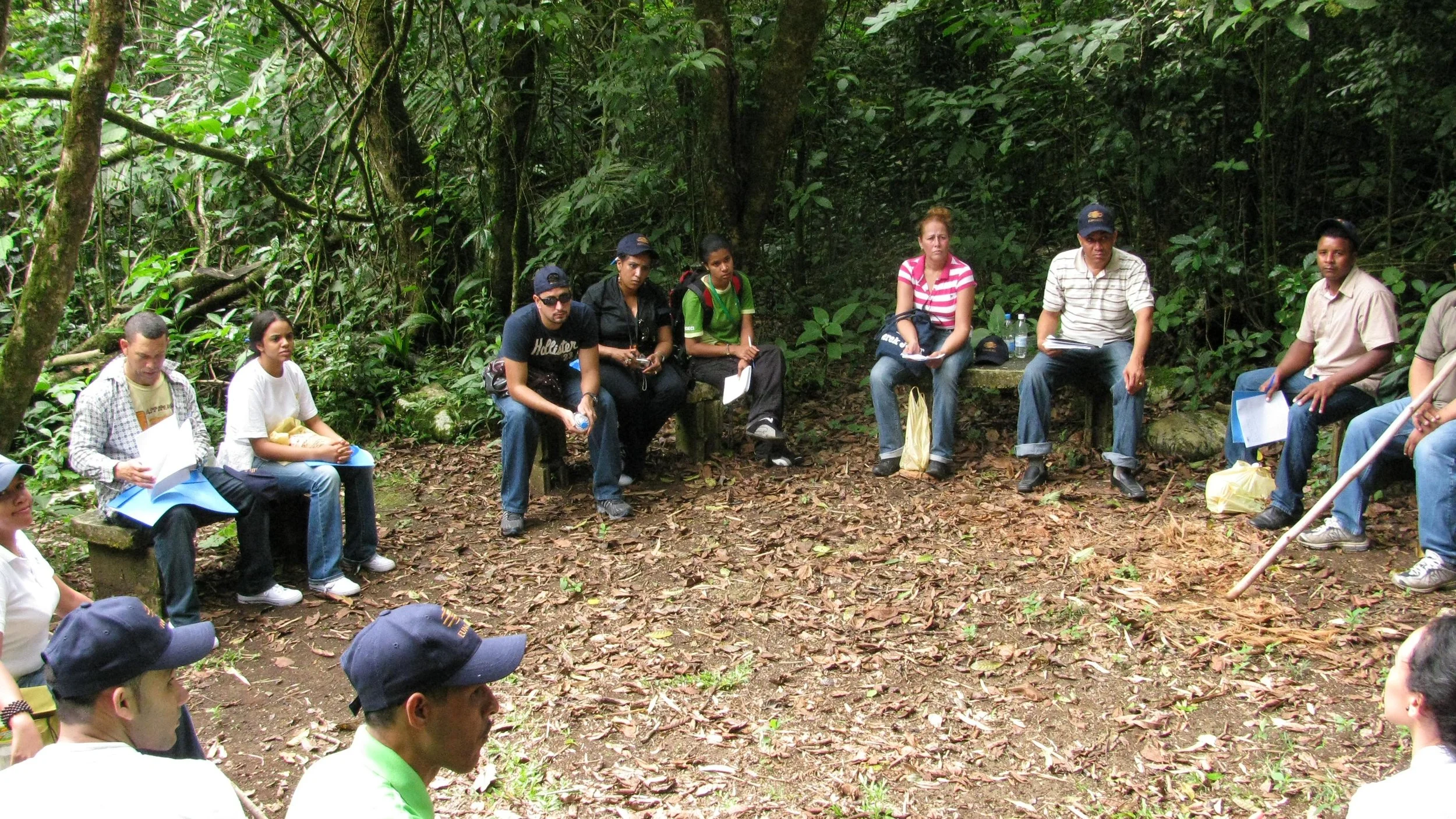
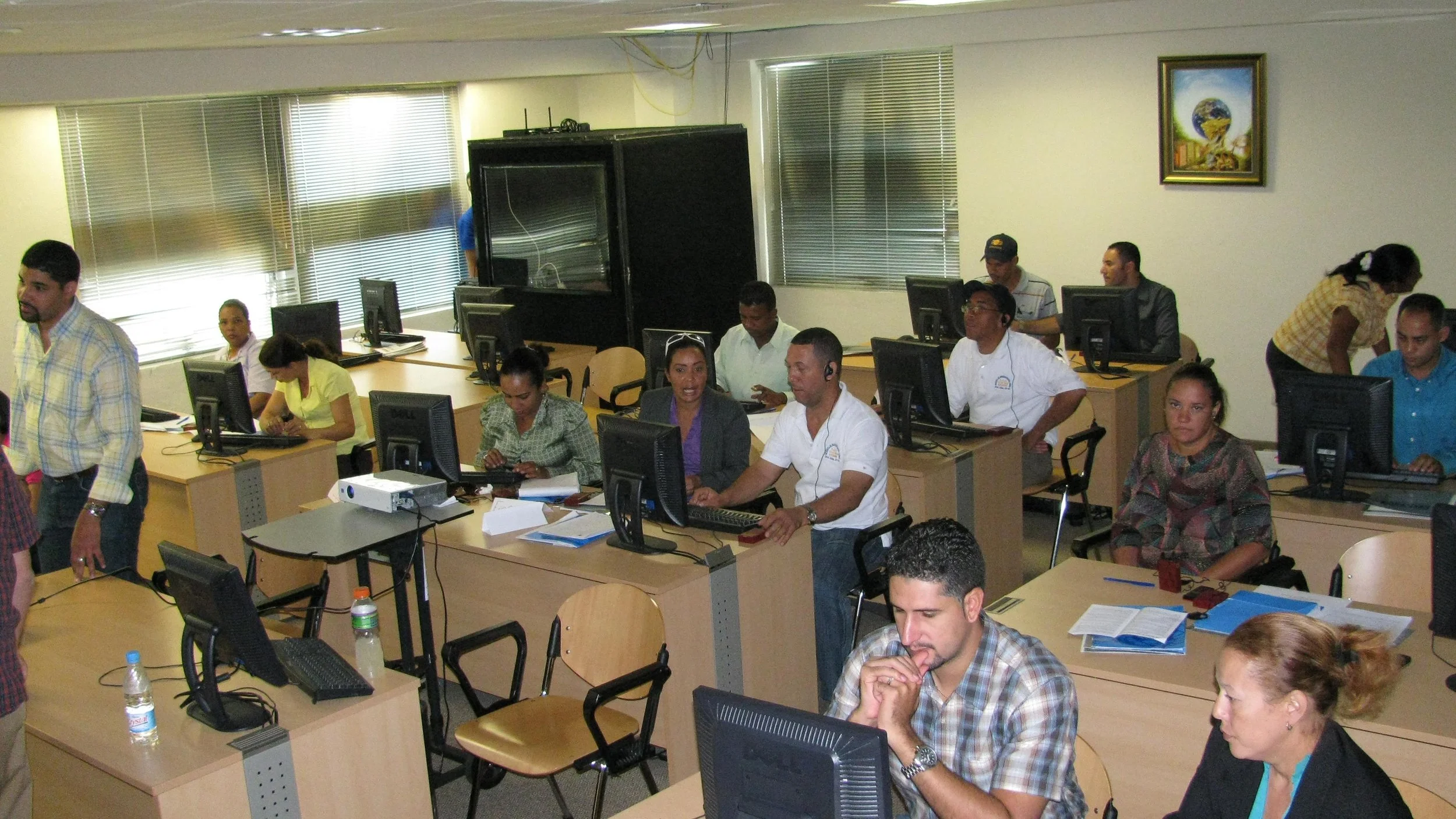
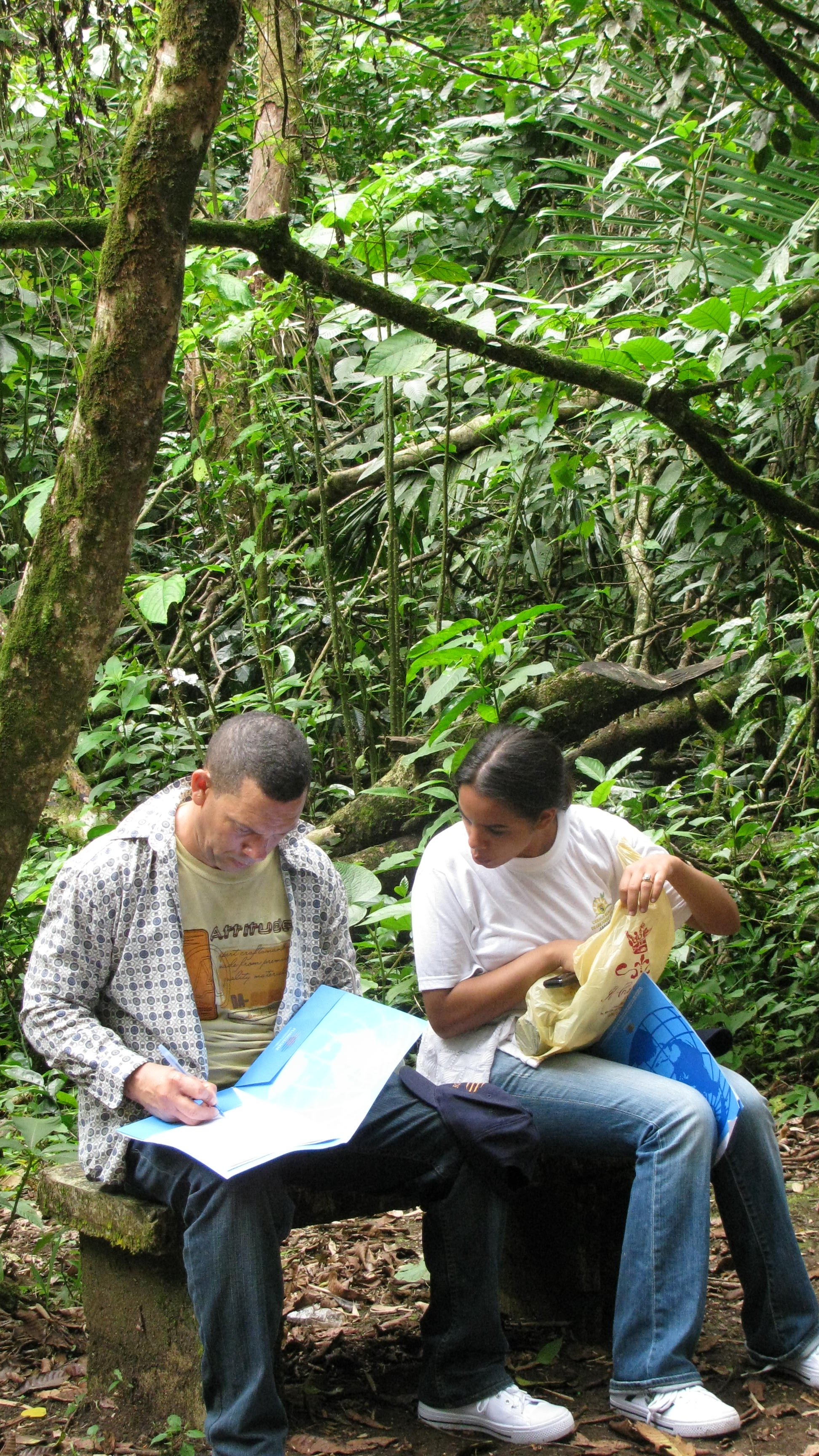
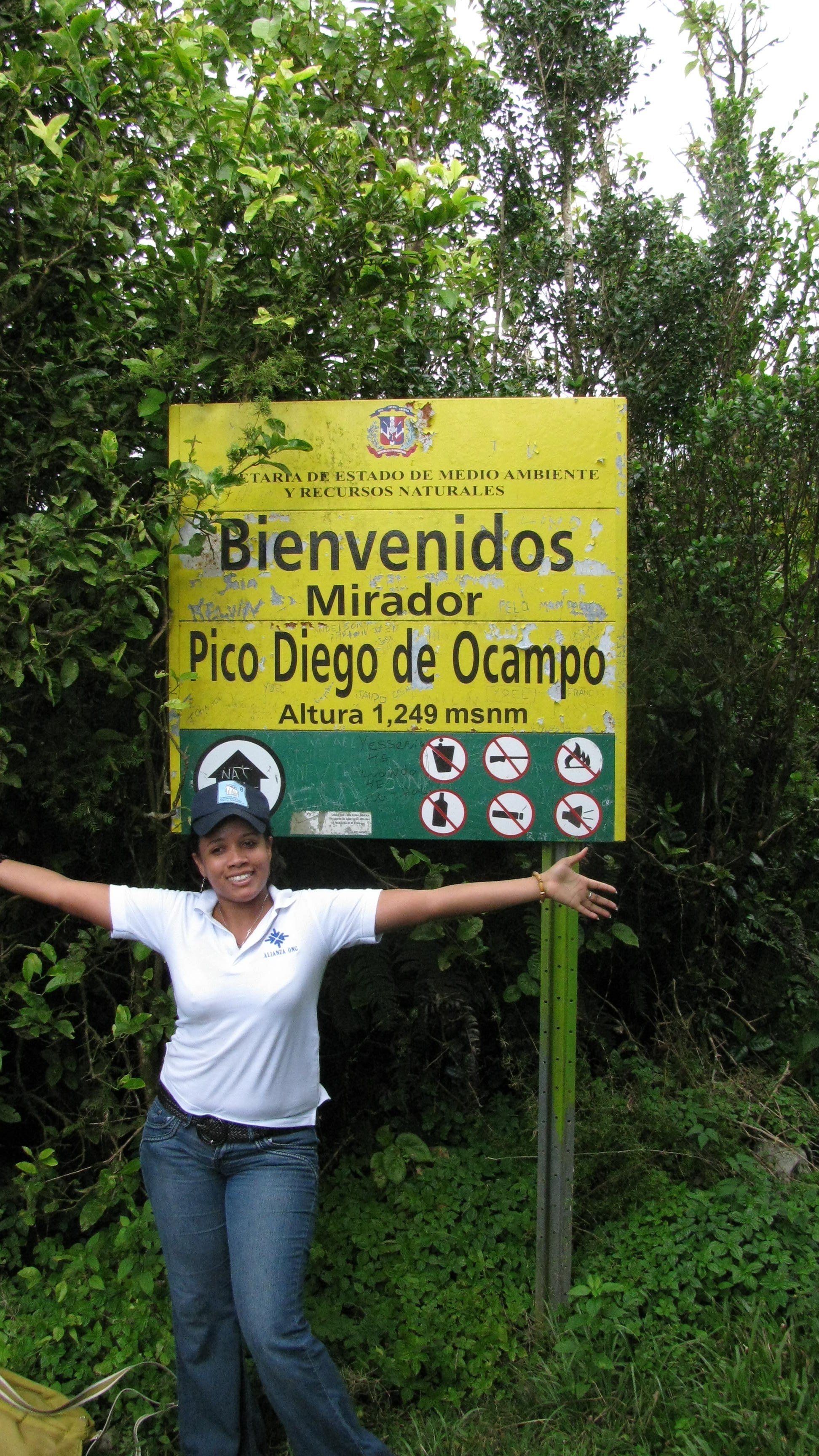
I have translated my research into practice by leading technical training programs for educators in India, Bangladesh, Nepal, Greece, and the Dominican Republic. In these diverse settings, "inclusion" meant more than just translation—it meant pedagogical adaptation.
Community-Led Solutions: In the Dominican Republic and South Asia, I scaffolded training for water-quality testing equipment. By anchoring the technical training in local environmental challenges, teachers and students were able to use engineering data to advocate for community health.
Digital Equity & Collaboration: In Greece, I utilized collaborative digital tools (Google Sites/Forms) to create a "Virtual Community of Practice," allowing educators to share cross-cultural teaching strategies and adapt technical STEM content for their specific local standards.
The Outcome: Engineering for All
By integrating DEI principles with rigorous technical standards, I ensure that:
Cognitive Load is managed through culturally relevant scaffolding.
Representation is authentic, moving beyond stereotypes to show engineering as a tool for social good.
Learner Agency is prioritized, empowering students to see engineering as a "human" endeavor that belongs to them.